Central Coast · grant writing & research
Bring the opportunity into focus.
I help nonprofits turn a funding opportunity, program knowledge, evidence, and financial information into a story that is not just rooted in community resilience and best practices, but shows a funder how the program belongs in their funding portfolio.
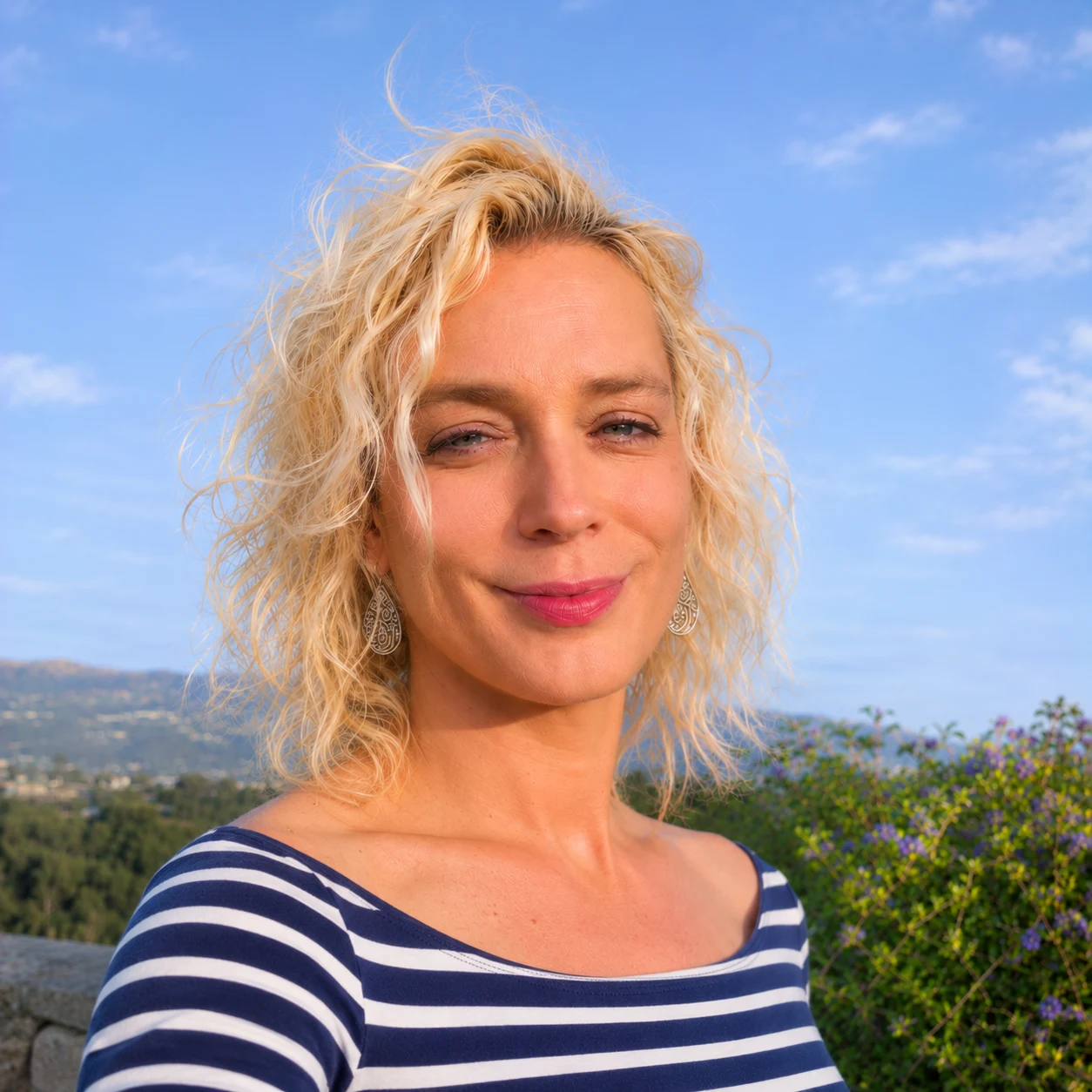
June Eastham · writer, researcher, grants professional · Guadalupe, California
Grant writing is a genre of technical writing, and the readers of the proposals have varied but specific motives for selecting specific community investments. It is technical writing focused on community improvement stories that must contextualize an organization’s programming within the community—connecting its outcomes to needs documented in community research, the benefits that improve the lives of our neighbors, and the priorities a funder expresses through both its stated priorities and its history funding decisions.
The work scales based on an organization’s goal. Development of grant acquisition strategy and readiness to apply to a curated list of funders produces a body of work that can be utilized over time. A focus on a specific opportunity will typically be more tailored, with different approaches governmental, corporate, versus private funders. And we can start wherever you are. I can turn a pile of reliable figures into a clean case for support, or if you already have a strong case for support, I can buttress it with relevant, compelling community data and initiatives, and explain it in an appreciable context for the specific microaudience of grant reviewers.
Choose your starting point
Where are you starting?
Each path opens the most relevant page or section, so you can find context without reading the site from beginning to end.
Services at a glance
What kind of help do you need?
I review the funder’s guidelines, deadline, and submission requirements alongside your existing program, outcome, and financial information.
From there, we can identify the research, proposal writing, budget coordination, staff contributions, and review needed to prepare the application.
One connected story
What must an application make clear?
A proposal has to explain more than a need. It must show how the proposed work responds, what it will cost, and what change the organization create within the lives of community members.
Community research can establish the setting and scale of a need. Program records can document whom the organization reaches, what it does, and what the results look like in the lives of your clients and the community at large.
The arrows show narrative alignment—not a guaranteed causal result. Every claim still needs appropriate support and qualification.
Public workbook · March 2025
The Fundraising Compass
Questions for Agile Strategic Planning in Fund Development
I wrote this workbook for fundraisers and nonprofit leaders who need to think beyond the next deadline: What has past disruption taught the organization? Where is funding concentrated? Which relationships, program strengths, and contingency choices deserve attention now?
Experience you can inspect
Writing, research, and grant systems.
My background crosses nonprofit grants management, independent proposal work, research, journalism, and long-form guidance.